Picking the Appropriate Criminal Defense Lawyer: Safeguarding Your Rights and What Lies Ahead
Making the right criminal defense lawyer choice is a critical decision. An experienced attorney can considerably influence the outcome of a case. They traverse intricate legal frameworks while constructing powerful strategies. Clients must understand what to look for in an attorney, such as specialization and client feedback. The undertaking may seem intimidating, but understanding the essential traits and questions to ask can steer this vital decision. What actions should one take to guarantee they make the best decision?
Understanding the Purpose of a Criminal Defense Legal Representative
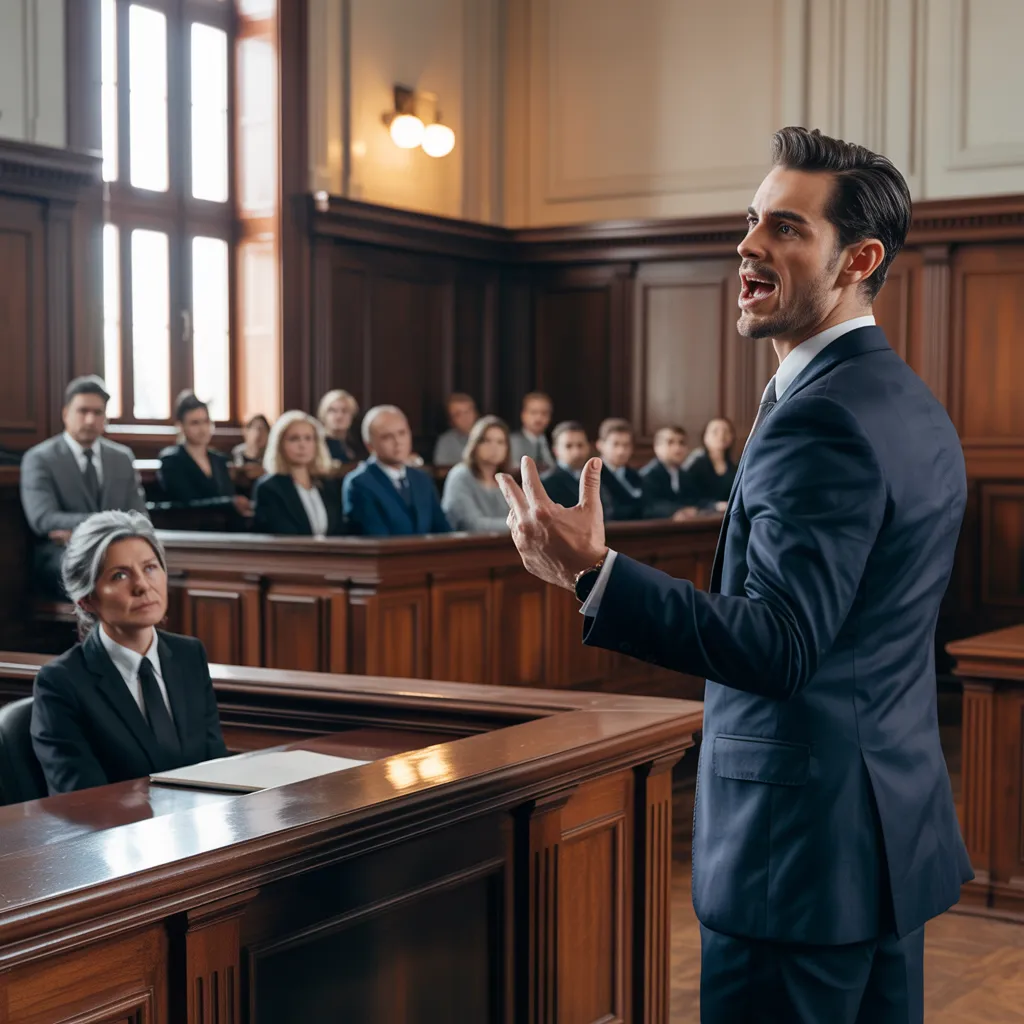
Grasping the role of a criminal defense lawyer is critical for anyone navigating the complexities of the legal system. These legal professionals function as advocates for individuals charged with crimes, guaranteeing that their rights are protected throughout the court system. A criminal defense lawyer examines the details of a case, investigates evidence, and formulates strategies to dispute the prosecution's arguments. They provide substantial counsel, guiding clients understand their options, potential outcomes, and the implications of plea deals.
Furthermore, these lawyers advocate for their clients in court, offering defenses and bargaining with prosecutors. They labor hard to achieve the best possible outcomes, whether through case dismissal, reduced charges, or exoneration. Their expertise extends to understanding legal procedures, ensuring that the accused traverse the system efficiently. Ultimately, a competent criminal defense lawyer plays a crucial role in protecting the accused's future and aiming for justice.
How Experience and Specialization Determine Your Case
When selecting the right criminal defense lawyer, the experience and specialization of the advocate can profoundly affect the outcome of a case. An attorney with extensive experience in criminal defense law often possesses a deeper understanding of legal nuances, court protocols, and discussion methods. This expertise can be essential in crafting effective defenses and traversing complex legal landscapes.
Specialization also plays an crucial factor; attorneys concentrating specifically on criminal defense are better positioned to remain current on new law changes and case law. For instance, a lawyer specializing in narcotics crimes will have insights and strategies that vary significantly from those relevant for corporate offenses.
Moreover, skilled attorneys frequently have established relationships with judges and prosecutors, which can assist more beneficial plea deals or outcomes. Therefore, selecting a lawyer with the right balance of experience and specialization can significantly affect both the legal strategy and the final verdict.
Fundamental Attributes for a Capable Criminal Defense Lawyer
Determining the core qualities of a effective criminal defense attorney is vital for individuals encountering legal challenges. Key characteristics feature established courtroom experience, robust interpersonal skills, and deep legal understanding. These characteristics not only improve the attorney's ability to advocate effectively but also build trust in their clients.
Proven Experience In Legal Proceedings
Proven background in court serves as a foundation for any competent criminal defense attorney. This background not only improves an attorney's understanding of courtroom procedures but also provides them with the skills required to traverse complex legal landscapes. A experienced attorney has likely encountered various case scenarios, allowing them to foresee potential challenges and create effective strategies. Their prior courtroom appearances show a familiarity with judges, opposing counsel, and jury dynamics, which can significantly influence the outcome of a case. Additionally, a robust track record in court can foster confidence in clients, assuring them that their defense is in capable hands. Ultimately, an attorney's experience serves as a crucial component in safeguarding a client's rights and shaping their future.
Robust Communication Proficiencies
Courtroom effectiveness strategies are only a portion of what ensures a criminal defense attorney's success. Strong communication skills are equally important, allowing attorneys to explain complex legal concepts precisely to their clients, juries, and judges. An effective lawyer must listen actively, guaranteeing they fully understand their client's issues and demands while also answering any questions. This interactive communication builds trust, which is essential to fostering a strong attorney-client relationship. Moreover, persuasive oral and written communication skills aid in crafting convincing arguments and presenting evidence efficiently. The ability of a defense attorney to articulate their case can substantially impact the outcome, underlining the importance of strong communication in navigating the complexities of the legal system and advocating effectively for their clients.
Deep Legal Understanding
While strong communication skills are important, deep legal knowledge serves as the cornerstone of a efficient criminal defense attorney. An proficient lawyer must possess a thorough understanding of criminal law, including legal codes, case law, and procedural rules. This expertise allows them to work through complex legal realms, evaluate the strengths and negatives of a case, and create strategic defenses. Acquaintance with local laws and regulations can also provide an upper edge in negotiations and court proceedings. Furthermore, an attorney's grasp of legal precedents helps anticipate the prosecution’s moves, fostering proactive defense strategies. Ultimately, deep legal knowledge enables a criminal defense attorney to protect clients' rights and advocate effectively, making it a crucial quality in the pursuit of justice.
What Questions Should You Pose Potential Lawyers?
When picking a defense counsel, which concerns should one emphasize to ensure the right fit for their case? First, ask about the lawyer's experience with cases similar to yours. Understanding their track record can reveal information about their effectiveness. Next, inquire about their game plan for your defense and how they plan to handle your case. This will uncover their thinking abilities and preparation.
It's also critical to talk through fees and billing methods. Understanding costs from the beginning helps avert confusion later. Additionally, inquire about contact frequency; knowing how often and in what manner the lawyer will inform you is crucial for establishing a strong attorney-client relationship.
Finally, ask for endorsements and client reviews from previous clients. This can deliver useful insights on the lawyer's effectiveness and client satisfaction. By asking these specific questions, individuals can make informed decisions when picking their counsel.
Why Customer Assessments Count When Selecting a Counsel?
Client reviews act as a crucial tool when choosing a criminal defense lawyer, offering important insights into their background and effectiveness. These evaluations can showcase a lawyer's capacity to navigate complicated cases and interact effectively with clients. Additionally, positive reviews can help assess the trustworthiness and dependability of a potential lawyer.
Comprehension Of Experience
Understanding the layers of a criminal defense lawyer's experience is crucial, particularly when considering the significance of client reviews. Reviews often furnish insight into a lawyer's ability to navigate complex cases and their effectiveness in court. Clients routinely communicate their experiences regarding rapport, case management, and outcomes, which can disclose a lawyer's strengths and weaknesses. Positive reviews may indicate a lawyer's proficiency in specific areas of criminal law, while negative feedback can flag potential red flags. Additionally, the volume of reviews may reflect a lawyer's reputation within the legal community. By scrutinizing this feedback, potential clients can make informed decisions, ensuring they choose a lawyer who aligns with their specific needs and expectations for defense.
Trustworthiness Evaluation
Evaluating a lawyer's credibility is crucial in the selection process. Client reviews serve as a significant gauge of a lawyer's dependability and integrity. Positive testimonials can indicate a lawyer's ability to communicate effectively, copyright ethical standards, and advocate fiercely for their clients. Conversely, negative reviews may reveal patterns of unprofessional behavior or inadequate representation. Prospective clients should seek out reviews on multiple platforms to obtain a thorough view of the lawyer's reputation. Additionally, personal recommendations from trusted sources can further validate a lawyer's credibility. Ultimately, evaluating client feedback allows individuals to make informed decisions, ensuring they choose a criminal defense lawyer who will protect their rights and future with care and integrity.
How Much Do Defense Attorneys Cost?
To what extent can you figure out the expense of hiring a defense counsel? The compensation levied by defense lawyers can fluctuate substantially depending on various circumstances. Location constitutes a major consideration; legal professionals in metropolitan regions tend to charge more substantially than those in pastoral settings. The attorney's background and standing also modify rates, with experienced veterans frequently charging premium compensation
Defense lawyers may employ various fee arrangements, including per-hour charges, flat fees, or contingency fees, depending on the case type. Per-hour charges can vary between $100 to $500 or more, while fixed fees might range from a few thousand dollars to several tens of thousands, depending on the case's complexity.
Moreover, people should examine any additional costs, such as court fees, expert witness expenses, and administrative charges. Understanding these elements can help individuals make sound choices when picking a defense attorney.
Joining Forces With Your Legal Representative for a Effective Defense
Upon retaining a defense attorney and discussing fees, the next stage entails building a cooperative working relationship to construct a formidable defense strategy. Effective dialogue is fundamental; clients should provide their lawyer with all necessary information pertaining to the case. This transparency allows the legal counsel to craft supplementary information a tailored defense that addresses specific circumstances and challenges.
Clients need to actively take part in the defensive approach by submitting questions and seeking explanation on legal vocabulary and practices. This engagement cultivates a deeper understanding of the case and grants clients the capacity to choose wisely.
Additionally, clients should welcome their counsel's counsel and advice, as skilled legal practitioners can identify advantages and disadvantages in the defense. Regular meetings and updates can boost this collaboration, ensuring both participants are in agreement on their methodology. Ultimately, a strong partnership between party and legal representative is vital for maneuvering through the challenges of the court system and securing the most favorable conclusion.
Typical Questions Answered Regularly
Is it Feasible for a Criminal Defense Lawyer to Guarantee a Particular Outcome?
A criminal lawyer cannot promise a particular result. Legal cases are naturally variable, shaped by many factors. However, a competent counsel can deliver a powerful defense and enhance the probability of a positive outcome.
What Can I Do if I Can't Pay for a Lawyer?
If lacking funds for a lawyer, people should explore public defenders, legal assistance groups, or free services. They may also think about negotiating installment options or seeking assistance from local organizations for legal support.
How long Will My Case Take to Conclude?
The duration of a case varies considerably, often spanning anywhere from a few months to several years. Factors influencing this timeline encompass case intricacy, court calendars, and the tactics used by the defense and prosecution.
What Effects Follow if I Enter a Guilty Plea?
If someone pleads guilty, they generally acknowledge culpability for the offense, causing a conviction. This might yield sentencing, involving fines, probation, or incarceration, substantially affecting future opportunities and legal standing.
Can I Switch Out My Attorney During My Case is Ongoing?
Yes, a accused can replace their legal counsel during a case. However, this undertaking may require informing the tribunal, potential delays, and ensuring the replacement counsel is properly briefed about the details of the case.